
Structural Drying & Dehumidification
Structural Drying and Dehumidification Fairfield CA
Structural Drying and Dehumidification Fairfield CA is the part of water damage work most crews rush, and it is the part that decides whether your walls stay solid or turn into a mold problem. We extract standing water, then run calibrated drying equipment until moisture meters read dry. Serving Fairfield, Cordelia, and all of Solano County since 2013.
Service overview
What Structural Drying and Dehumidification Fairfield CA Really Means
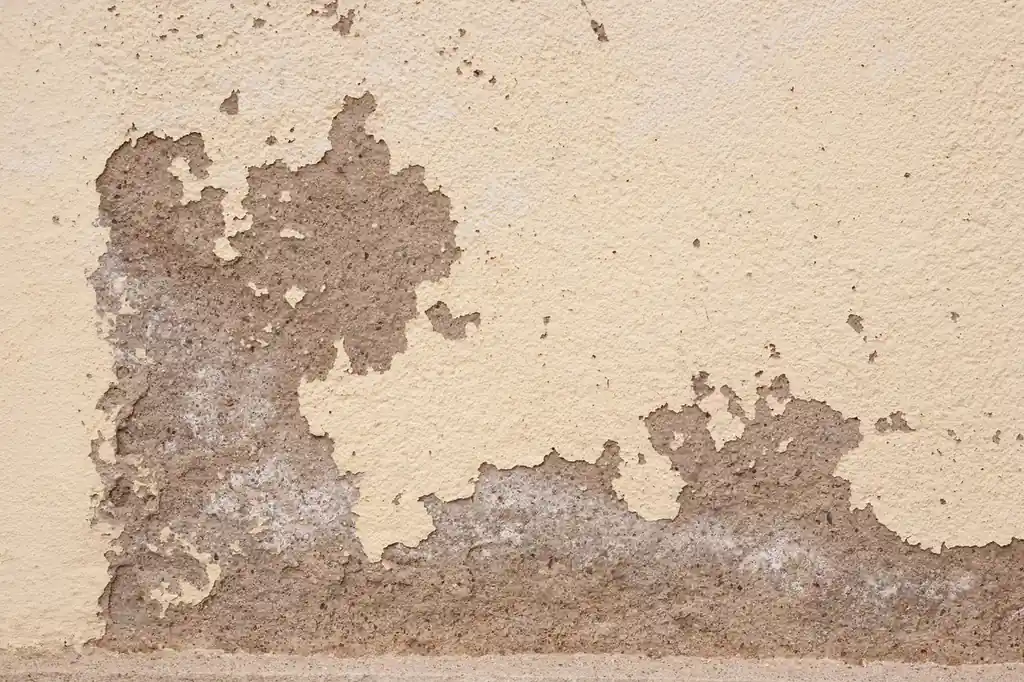
Structural Drying and Dehumidification Fairfield CA is the controlled process of removing moisture from the building materials themselves, not just the puddle on the floor. Water wicks into drywall, insulation, subflooring, and framing within hours. We map the wet zone with thermal imaging cameras and moisture meters, then place LGR dehumidifiers and air movers to pull that moisture out through evaporation. Every job follows ANSI/IICRC S500, the standard for professional water damage restoration.
Most Fairfield calls we run start the same way: a burst pipe behind a vanity, a leaking supply line to the fridge, or a water heater that let go overnight. Storm and floodwater intrusion shows up too, especially around Cordelia and the lower-lying streets after a heavy winter. If you are searching for a structural drying service near me in Fairfield CA at 2 a.m., that usually means water has already been sitting for hours, and the clock on secondary mold growth started the moment it landed.
Practical benefits
Why Fairfield Homeowners Dry the Building, Not Just the Floor
Mopping up is the easy part. The damage that costs you real money happens inside the walls, under the subfloor, and behind the baseboards where nobody looks until the smell starts.
Stop Mold Before Day Three
Mold can colonize wet drywall in 24 to 48 hours. We start drying the same day we extract, and we keep LGR dehumidifiers running until readings drop to normal. That window is the difference between a drying job and a mold remediation job.
Save the Materials You Can
Drywall, subflooring, and carpet padding can often be saved if drying starts fast enough. We use Injectidry Systems panels to dry wall cavities without tearing everything out, which keeps your repair bill down and your house livable.
Kill the Odor at the Source
That musty smell is not the water, it is what the water left behind. We apply antimicrobial disinfectant and a deodorizer to affected surfaces after extraction. If the source was a sewage backup, we treat it as contaminated water and follow ANSI/IICRC S520 protocols.
Documented Dry for Your Insurer
We log moisture readings daily with Protimeter and Tramex meters and photograph the drying setup. That record is what your adjuster needs to approve the claim. Fairfield structural drying services that skip documentation leave you arguing with the insurance company on your own.
How service works
How Our Drying Process Runs, Start to Finish
No mystery, no waiting around. Here is exactly what happens from the moment you call until the last piece of equipment leaves your property.
STEP 01
Emergency Call-Out
You call (707) 329-8619 and we ask the questions that matter: what leaked, when it started, and whether the water is still coming in. If it is a burst pipe, we tell you where the shutoff is while we are rolling. Crews are on the road 24/7, and most Fairfield addresses see us within the hour.
Tools and methods
Tools and Methods We Use to Dry Fairfield Buildings
Truck-Mounted Water Extraction Unit
Pulls large volumes of standing water out of carpet, pad, and hard flooring fast. This is the first piece of equipment on the truck for any Fairfield flooding call.
LGR Dehumidifier (Dri-Eaz, Phoenix Restoration Equipment)
Low-grain refrigerant dehumidifiers pull moisture out of the air so wet materials keep releasing water vapor. We size them to the cubic footage of the affected area, not a one-size guess.
High-Velocity Air Movers (XPOWER)
Air movers break the boundary layer of humid air sitting on wet surfaces so dehumidifiers can grab it. Placement matters more than quantity, and we adjust it daily based on readings.
Moisture Meters and Thermal Imaging Cameras (Protimeter, Tramex, FLIR)
These find water you cannot see and confirm when materials are actually dry. Tramex meters read subfloor and concrete moisture directly, while FLIR thermal cameras reveal hidden moisture behind walls.
Injectidry Systems Wall Drying Panels
Forces dry air directly into wall cavities so wet drywall and insulation dry without demolition. This saves Fairfield homeowners real money on drywall replacement.
HEPA Air Scrubber and Negative Air Machine
Filters airborne dust, spores, and debris and keeps the work zone under negative pressure. Standard equipment on sewage backups and any job with mold risk.
Hygrometer
Measures relative humidity in the drying chamber so we know the dehumidifiers are keeping up. Daily hygrometer readings go into your drying log.
ANSI/IICRC S500 Standard for Professional Water Damage Restoration
This is the framework for every drying job we run. It sets the categories of water, the classes of loss, and the drying goals we verify against. Following it is also what makes our documentation usable for your insurance claim.
ANSI/IICRC S520 Standard for Professional Mold Remediation
When a loss has already gone too far or involves contaminated water, S520 governs containment, removal, and air filtration. We apply it on sewage backups and any job where mold growth is confirmed or likely.
Daily Moisture Monitoring and Documentation
We take Protimeter and Tramex readings every day, photograph the setup, and log the numbers. Drying ends when materials hit their target moisture content, not when the room feels dry to the touch.
Containment and Negative Pressure
Polyethylene containment sheeting and negative air machines isolate the work zone. This keeps dust, spores, and odors from migrating into clean rooms, which matters most in occupied Fairfield homes and working commercial spaces.
Where this service fits
When Fairfield Properties Need Structural Drying
A pipe bursts in a Dover Terrace home at 2 a.m. and water spreads across two bedrooms.
We dispatch immediately, walk you through shutting off the main while we are en route, then extract with truck-mounted units and set LGR dehumidifiers and air movers the same night. Containment keeps the wet zone from spreading into the rest of the house. Most of the drywall and carpet padding is saved, and the home verifies dry in four days instead of being torn out.
A commercial building near Interstate 80 has a roof leak that soaks ceiling tiles and two office suites.
We set containment so the rest of the building keeps operating, extract the water, and run commercial-scale dehumidification after hours. Every reading is logged for the property owner's insurance claim. Both suites are back in service in four days with a full drying report for the adjuster.
A Rancho Solano homeowner notices a musty smell and a soft spot in the hallway floor weeks after a small leak.
Thermal imaging finds hidden moisture behind the wall and in the subfloor. We dry the wall cavity with Injectidry panels and set dehumidifiers on the subfloor, then treat the area with antimicrobial disinfectant. The smell is gone, the subfloor reads dry, and no mold remediation is needed.
A winter storm pushes water into a Cordelia garage and laundry room through the door seals.
We pump the standing water with submersible pumps, extract the rest, and treat the area as contaminated floodwater with disinfection before drying. Air movers and LGR dehumidifiers run until concrete and framing verify dry. The garage and laundry room dry out in three days with no lingering odor or mold growth.
Local execution
How Structural Drying Runs in Fairfield, California
Fairfield sits in Solano County where the winters bring steady rain and the summers bake the ground dry, and both seasons create water damage calls. Winter storms push water through door seals and roof leaks in Cordelia and the lower streets near the creek. Summer heat stresses older supply lines and irrigation systems until they let go. Much of the housing stock here was built between the 1960s and 1990s, which means copper supply lines reaching the end of their service life, original water heaters, and drywall that wicks water fast. We work to ANSI/IICRC S500 on every job, and for homes built before 1978 we follow EPA Lead-Safe Certification practices when any material gets disturbed. If you need water damage drying for walls and floors Fairfield, we map the wet zone, extract, and dry to verified targets. We also handle commercial building drying in Fairfield California for offices and retail spaces that cannot shut down for a week.
Cordelia
Lower-lying streets here take on stormwater during heavy winter rain, and garage and laundry room flooding is common. We keep submersible pumps ready for these calls.
Rancho Solano
Many homes here have original supply lines and water heaters from the 1980s and 1990s. Slow leaks behind walls are the most common call we run in this neighborhood.
Paradise Valley
Larger homes with multiple bathrooms mean more supply lines and more chances for a hidden leak. We use thermal imaging to find moisture behind tile and cabinetry.
Dover Terrace
Older tract homes with original subflooring. When water gets in, it soaks the subfloor fast, so we read subfloor moisture directly with Tramex meters.
Woodcreek
Condos and townhomes share walls, so a leak in one unit can reach the neighbor. We set containment early to keep the drying zone from spreading.
Winter storm cycles that push water through door seals and roof leaks
Floodwater intrusion is contaminated water, so it needs extraction, disinfection, and drying in that order. We treat these losses under ANSI/IICRC S500 and S520 protocols.
Clay-heavy soil that holds water against foundations
Water wicks through foundation walls and into basements and crawlspaces. We pump and dry these spaces with LGR dehumidifiers sized for the volume, not a single portable unit.
Aging copper supply lines in 1960s to 1990s housing stock
Slow leaks behind walls and under slabs are common. Thermal imaging and moisture meters find them before the damage spreads to framing and subflooring.
Hot, dry summers that stress irrigation and appliance lines
Summer calls tend to be appliance and irrigation leaks rather than storm flooding. Drying is often faster because the ambient air is dry, but the water has usually been running longer before anyone notices.
Problems we solve
Problems Structural Drying and Dehumidification Fairfield CA Solves
Most water damage calls we run in Fairfield trace back to one of a handful of sources. Here is what they look like, what happens if you wait, and how we handle each one.
Burst pipes and leaking supply lines behind walls
We locate the wet zone with thermal imaging, extract any standing water, and dry the wall cavity using Injectidry Systems panels so we do not have to tear out more drywall than necessary. Daily moisture readings confirm the cavity is dry before we close up. Water runs inside the wall cavity for hours before it shows on the floor. Wet drywall and insulation lose structural strength, and mold can start within 24 to 48 hours.
Water heater and appliance leaks that soak subflooring
We pull the carpet and padding back, extract with portable water extractors, and set LGR dehumidifiers with air movers directed at the subfloor. Tramex meters read subfloor moisture directly, so we know when it is actually dry rather than guessing. A slow leak under a water heater or dishwasher soaks the subfloor and carpet padding. The surface feels dry while the subfloor stays wet for weeks, warping floors and feeding mold from below.
Storm and floodwater intrusion after heavy winter rain
We treat flood losses as contaminated water under ANSI/IICRC S500 and S520, remove affected porous materials, disinfect with antimicrobial products, then dry the structure to verified targets. Containment and HEPA air scrubbers keep the rest of your home clean. Floodwater is contaminated water. It carries bacteria and debris into your home, and if the structure is not dried and disinfected properly, odor and mold come back within weeks.
Sewage backups in basements and ground-floor drains
We contain the area with polyethylene sheeting, remove affected material, disinfect thoroughly, and run negative air machines with HEPA filtration. Then we dry the remaining structure and verify with moisture meters before any rebuild begins. Category 3 water is the worst kind. Anything porous it touches is usually a loss, and the bacteria left behind will keep causing problems long after the water is gone.
A practical standard for every visit.
Clear planningPrepared arrivalsCareful workLocal follow-through
Experience in the details
13 Years Drying Fairfield Buildings
Fairfield Water Out has been drying out Solano County homes and businesses since 2013. Our technicians hold IICRC Water Restoration Technician (WRT) and Applied Structural Drying (ASD) certifications, and we keep Applied Microbial Remediation Technician (AMRT) training current because drying and mold work overlap more than people think. We have dried everything from single-room supply line leaks in Dover Terrace to multi-unit commercial losses near the Fairfield Transportation Center. We know how this town's housing stock handles water, and we know what an adjuster needs to see.
- IICRC Water Restoration Technician (WRT) and Applied Structural Drying (ASD) certified crews on every job.
- 13 years serving Fairfield, Cordelia, Rancho Solano, and the rest of Solano County.
- Every job documented to ANSI/IICRC S500 standards for insurance claims.
- Thermal imaging and daily moisture logging on every drying project, no exceptions.
- EPA Lead-Safe Certification for work in pre-1978 Fairfield homes.
Where we work
One local team. A lot of ground covered.
CordeliaRancho SolanoParadise ValleyRolling HillsSouthbrookGold RidgeWoodcreekDover TerraceLaurel Creek
Check my address Fairfield Water Out provides structural drying and dehumidification across Fairfield and Solano County, with crews available 24/7 at (707) 329-8619. We handle extraction, containment, drying, and daily moisture monitoring under one roof. Our technicians are IICRC WRT and ASD certified, and we document every job to ANSI/IICRC S500 standards so your insurance claim moves.
Most Fairfield homes dry in three to five days. A single wet room with drywall and carpet padding usually finishes in three. A flooded basement or a loss that reached the subfloor and framing can run five to seven days. We verify with daily moisture meter readings and do not pull equipment until materials hit their dry targets.
Yes, if it starts fast. Mold can begin colonizing wet drywall within 24 to 48 hours, so the first day matters more than anything else. We extract standing water, set LGR dehumidifiers and air movers the same day, and apply antimicrobial disinfectant to affected surfaces. Drying a building to its target moisture content removes the condition mold needs to grow.
We use truck-mounted water extraction units and portable extractors for removal, then LGR dehumidifiers and high-velocity air movers for drying. Thermal imaging cameras and Protimeter and Tramex moisture meters map the wet zone. For wall cavities we use Injectidry Systems panels, and where air quality is a concern we run HEPA air scrubbers and negative air machines.
Keep exploring
Related Services
Your next step is waiting
Get Structural Drying and Dehumidification Fairfield CA Started Now
Every hour water sits, it climbs higher into your walls. We are IICRC certified, insured, and answering the phone 24/7 across Fairfield and Solano County. Call now and we will tell you what to shut off while we are on the way.
Start with the basics
Contact Fairfield Water Out
Call us any time at (707) 329-8619. We answer 24/7 for emergencies and schedule non-urgent inspections during business hours. If you are not sure whether you need a crew, describe what happened and we will tell you straight.