Water Damage Repair After Roof Leaks in Rancho Solano and Paradise Valley Homes
Roof leaks in Rancho Solano and Paradise Valley push water into ceilings, walls, and insulation fast. Here is how to dry it, stop mold, and repair the damage.
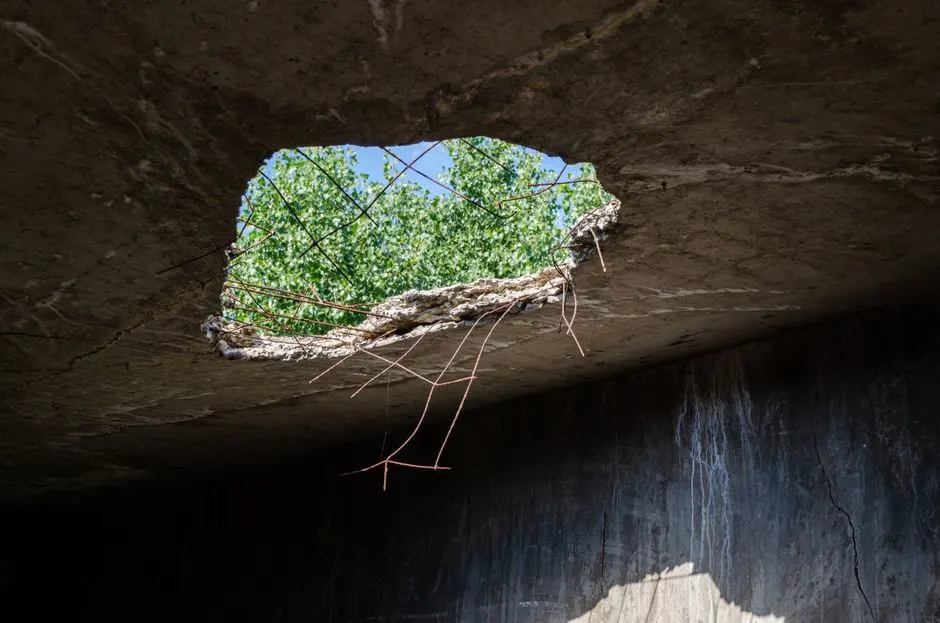
Water damage repair after roof leaks in Rancho Solano and Paradise Valley is the process of stopping the intrusion, extracting standing water, and drying the ceiling, walls, and insulation before mold takes hold - usually within 24 to 48 hours. If you are reading this with a wet ceiling right now, the short answer is: contain the drip, photograph everything, and get air moving today, not next week. The rest of this post walks through why these two neighborhoods see so many roof-leak claims, how to dry a ceiling properly, what it costs in 2026, and when to hand it off to a crew that does this every day in Fairfield.
Why Roof Leaks Hit Rancho Solano and Paradise Valley Homes So Hard
Rancho Solano and Paradise Valley sit on the hillsides north and west of central Fairfield, and that geography is exactly why roof leaks here turn into interior water damage so quickly. Both neighborhoods catch the wind-driven rain that rolls in off the Suisun Valley during atmospheric river events, and both have a lot of homes built between the late 1980s and early 2000s - which means original underlayment, flashing, and pipe boots are now 25 to 35 years old.
Tile and composition roofs dominate these subdivisions. Tile roofs are great until a single cracked field tile or a dried-out pipe boot lets water slip underneath, where it travels along the felt and decking before it ever shows up as a stain on your ceiling. By the time you see the brown ring, water has usually been moving through the attic for weeks.
We see this pattern constantly on Water Damage Repair in Rancho Solano calls after the first big storm of the season. The homeowner notices a stain near a recessed light, and when we open the attic we find saturated insulation and a wet top plate that has been quietly feeding moisture into the wall cavity. Paradise Valley homes have the same problem, often compounded by taller ceilings and skylights that add more penetration points for water to find.
If you want the full picture of how we handle these neighborhoods, our Water Damage Repair in Paradise Valley page covers the specific construction quirks we run into there.
What Should You Do in the First Hour After a Roof Leak?
In the first hour after a roof leak in a Fairfield home, your job is to stop the water from spreading and to document what it touched - not to climb on the roof in the rain. Do these in order:
- Contain the drip. Put a bucket or trash can under the leak. If water is running along a ceiling joist, it can travel several feet before it drips, so move the bucket to where the water actually falls, not where the stain is.
- Kill the power to affected rooms. If water is anywhere near a light fixture, ceiling fan, or outlet, shut off that circuit at the breaker panel. Water and live wiring do not mix.
- Move furniture and electronics. Pull sofas, rugs, and anything with a cord at least 6 feet away from the wet zone.
- Photograph everything. Wide shots of the room, close-ups of the stain, and a photo of the bucket showing the water level. Your insurance adjuster will want these.
- Puncture the bulge if the ceiling is sagging. A sagging drywall bulge holding a gallon of water will collapse on its own. If you can do it safely, poke a small hole at the lowest point of the bulge with a screwdriver and let it drain into the bucket. This is counterintuitive but it prevents a much bigger mess.
What you should not do is run a household box fan directly at a wet ceiling and call it dried. Moving air helps, but it does not reach into the insulation or the wall cavity where the real moisture sits. That is a job for Structural Drying and Dehumidification Fairfield CA equipment - commercial air movers and refrigerant dehumidifiers that pull gallons of water out of the structure in the first 24 hours.
How Long Does It Take to Dry a Ceiling After a Roof Leak in Fairfield?
A wet ceiling and wall cavity typically dry in 3 to 5 days with professional equipment, and 2 to 3 weeks - or never - with fans and open windows. That gap is the entire reason mold becomes a problem after roof leaks.
Here is what the drying timeline actually looks like on a typical Fairfield job:
- Day 1: Extract standing water, remove saturated insulation, set air movers and dehumidifiers, and take moisture readings with a pin meter and thermal camera.
- Days 2-3: Monitor readings every 24 hours. Drywall that reads above 16% moisture content on a pin meter is still wet and still feeding mold.
- Days 4-5: Most ceilings hit dry standard - usually 12% to 15% moisture content depending on the material - and equipment comes out.
- Days 5-10: Drywall repair, texture, and paint, once the substrate is confirmed dry.
Fairfield's climate helps and hurts. Our summers are dry enough that a ceiling leak in July can dry faster than the same leak in January. But from November through March, when the rain actually causes the leaks, outdoor humidity sits between 70% and 90% for days at a time. Opening a window during a Fairfield rainstorm does not dry your ceiling - it re-wets it.
That is why we run dehumidifiers even when the weather looks fine outside. The moisture is inside the assembly, and it has to be pulled out, not blown around.
The Hidden Damage a Roof Leak Leaves Behind
The stain on your ceiling is the least expensive part of a roof leak. The real damage happens in the spaces you cannot see, and it starts within 24 to 48 hours of the first intrusion.
Mold in the ceiling cavity
Mold needs three things: moisture, organic material, and temperatures between roughly 60°F and 80°F. A wet drywall ceiling in a Fairfield home hits all three immediately. Visible mold growth can appear in as little as 48 hours, and by the time you smell that musty, earthy odor, colonies are already established on the back of the drywall and the face of the insulation. If you are already seeing or smelling it, our Mold Remediation Fairfield CA team handles containment and removal so spores do not spread to the rest of the house.
Wet insulation
Blown-in and batt insulation lose most of their R-value when saturated, and they do not dry well in place. Wet insulation also holds water against the drywall and framing, which is the perfect setup for rot. On most roof-leak jobs we remove and replace the affected insulation rather than trying to dry it.
Framing and drywall rot
Repeated small leaks are worse than one big one. A pipe boot that drips a cup of water every storm can rot a rafter over two or three winters. By the time the ceiling sags, the repair involves sistering framing, not just patching drywall.
Electrical hazards
Water that reaches a junction box, recessed can light, or ceiling fan can corrode connections and create a shock or fire risk. Any ceiling leak near a fixture needs an electrician's eyes before the circuit goes back on.
Common Mistakes Homeowners Make After a Roof Leak
Most of the expensive roof-leak repairs we do in Fairfield started as a small mistake the homeowner made in the first week. Here are the ones we see over and over.
- Painting over the stain. Kilz and ceiling paint hide the evidence but trap moisture in the drywall. The stain comes back, and so does the mold.
- Assuming the leak stopped because the rain stopped. A roof leak is a hole. It will leak again on the next storm, and the damage compounds.
- Only fixing the roof. Roofers fix roofs. They do not dry ceilings, remove wet insulation, or remediate mold. You need both trades, and the drying has to happen first.
- Waiting on the insurance check. Mold does not wait for paperwork. Emergency drying is almost always covered, and delaying it can turn a $1,800 dry-out into a $12,000 rebuild.
- Running a space heater at the wet ceiling. Heat without dehumidification raises the moisture-holding capacity of the air, and when the air cools at night, that moisture condenses back into the drywall.
One more: do not assume the leak is directly above the stain. Water follows the path of least resistance along joists and decking. We have traced ceiling stains in Rancho Solano homes back to a roof penetration 8 feet away from where the water was dripping.
When to Call a Professional
Call a professional the moment water has been sitting in your ceiling for more than a few hours, or the moment you see sagging, smell mustiness, or find moisture in a wall cavity. Those are the three signals that tell us the damage has moved past what a homeowner can handle with towels and a fan.
At Fairfield Water Out, we handle the whole sequence: emergency extraction, structural drying, mold remediation if it is already growing, and the drywall repair to put your ceiling back the way it was. We work directly with your insurance adjuster, we document everything with moisture readings and photos, and we give you a clear price before we start. If you are in Rancho Solano, Paradise Valley, or anywhere else in Fairfield and you are not sure whether the leak is serious, call us and describe what you are seeing. We will tell you honestly whether it is a bucket-and-a-fan situation or a full dry-out.
Frequently Asked Questions
What should I do after a roof leak in a Fairfield home?
Contain the drip with a bucket, shut off power to affected rooms, move furniture, and photograph everything. Then call a restoration company within 24 hours. If the ceiling is bulging, puncture it to drain the water before it collapses on its own.
How soon should roof leak water damage be dried?
Within 24 to 48 hours. Mold can begin growing in as little as 48 hours on wet drywall, and structural drying equipment removes moisture 5 to 10 times faster than household fans. Every day you wait increases the chance of mold and rot.
Can a roof leak cause mold in a ceiling?
Yes, and it often does. Wet drywall plus Fairfield's indoor temperatures create ideal mold conditions, with visible growth possible in 48 hours. If you smell a musty odor or see dark spots, the ceiling cavity likely needs professional mold remediation, not just drying.
Who repairs water damage after a roof leak in Rancho Solano?
You need a water damage restoration company, not just a roofer. The roofer fixes the roof; the restoration team extracts water, dries the ceiling and walls, removes wet insulation, and repairs the drywall. Fairfield Water Out handles all of that in one visit.
Does homeowners insurance cover roof leak water damage?
Usually yes, if the leak was sudden and accidental - like a storm-damaged shingle or a failed pipe boot. Damage from long-term neglect is typically excluded. Most Fairfield policies cover emergency drying, mold remediation, and interior repairs above your deductible.
Get Help with Water Damage Repair in Fairfield
If a roof leak has left you with a stained ceiling, wet insulation, or that first whiff of mold, we can be at your door today. We handle emergency extraction, structural drying, mold remediation, and the drywall repair to finish the job - all under one roof, with upfront pricing and direct insurance billing.
Call Fairfield Water Out at (707) 329-8619 and we will walk you through what to do right now, before the damage gets worse.